
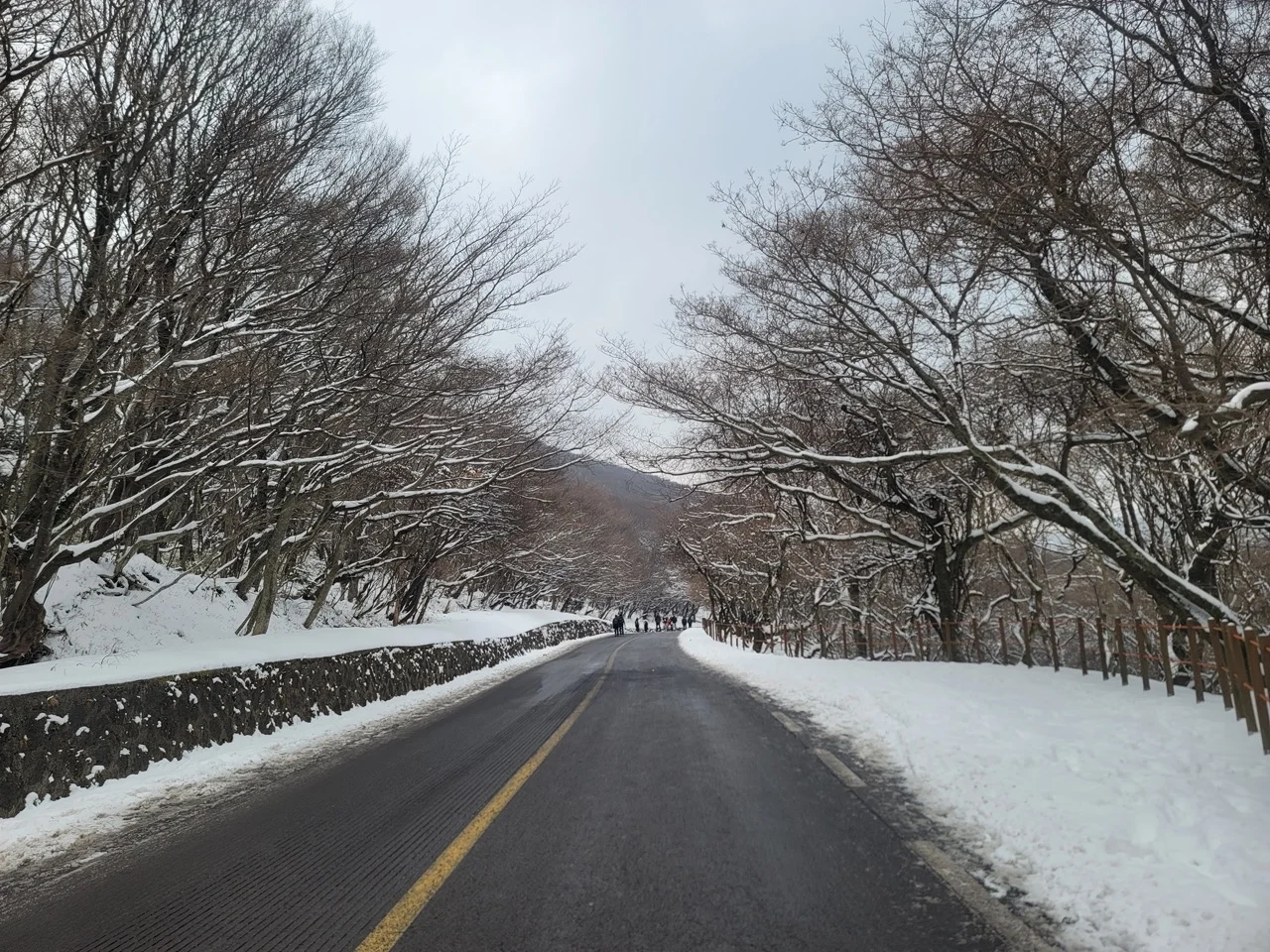
Review: Winter in Jeju – A Visa-Free Snow Adventure for Vietnamese Travelers
I’d heard for a while that Jeju Island is the only place in South Korea where Vietnamese citizens can enjoy **visa-free entry**. I really wanted to experience it back in 2025, but I decided to hold off until winter so I could finally go "snow hunting." I wasn't even sure if Jeju would actually have snow—I was originally planning an autumn trip—but once I confirmed the winter scenery, I mapped out the perfect snow-chasing itinerary.
Here’s a breakdown of my 2-day trip to Jeju. Technically it was a 3-day trip, but since I had a super early flight out on the last day, I’m counting it as 2 full days. Next time, I’m definitely staying longer!
This series of DIY Jeju reviews will be broken down into separate articles for each experience. Since I’m based in HCM, this itinerary is tailored for a departure from Ho Chi Minh City. If you’re flying from Hanoi, check for different routes as you're closer!
Important: Visa-Free Entry to Jeju for Vietnamese Citizens
You are eligible for a 30-day visa-free stay if you fly directly or transit through a third country (Singapore, Shanghai, Taiwan, Hong Kong, Hanoi, Da Nang, etc.) and land directly in Jeju (CJU).
DO NOT transit through Incheon (ICN) or Busan (PUS), or you will be required to have a Korean visa. Once you land at those airports, you're technically in the domestic flow, making it impossible to switch to the international arrivals lane. Be extra careful when booking your tickets!Required Documents:
- Travel itinerary (in English or Vietnamese, just in case they ask).
- Round-trip flight tickets (with confirmed payment and booking code).
- Hotel booking confirmation (with payment confirmation). Passport valid for at least 6 months.
- E-Arrival Card: Must be submitted online 3 days before arrival at https://www.e-arrivalcard.go.kr/portal/main/index.do. Ensure your hotel address matches your booking perfectly.
- Esim for South Korea: Book it beforehand so you have data the moment you land. (Get it here on Klook).
- Proof of funds: Have a VISA/Mastercard handy, as they are widely accepted in Jeju.
Just a reminder: my travel buddy and I (both born in 2002) had absolutely no prior Korean visas or stamps from other "developed" countries—we’ve only traveled to Singapore, Thailand, and Malaysia. So if you haven't visited Western countries yet, don't worry at all!
Must-Have Apps for Jeju
- Maps: Google Maps, KakaoMap, Naver Map. I highly recommend KakaoMap as it’s in English and gives great bus/walking directions. Google Maps is pretty limited there, only good for rough comparisons.
- Transport: Uber, Kakao Taxi. Just link your VISA/Mastercard to the app to book taxis easily.
- Flights: I used Traveloka and Trip.com. I used Trip.com specifically for the Jeju–Shanghai leg to book the Free Transit Tour.
- Translation: Google Translate (download the Korean language pack for offline use).
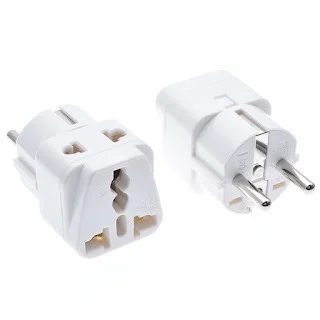
- Adapters: Korea uses round, deep-set power outlets. Bring a travel adapter from home, or you'll pay 15,000–20,000 won for one at a convenience store!
2-Day DIY Jeju Itinerary
Day 0: Ho Chi Minh City – Singapore
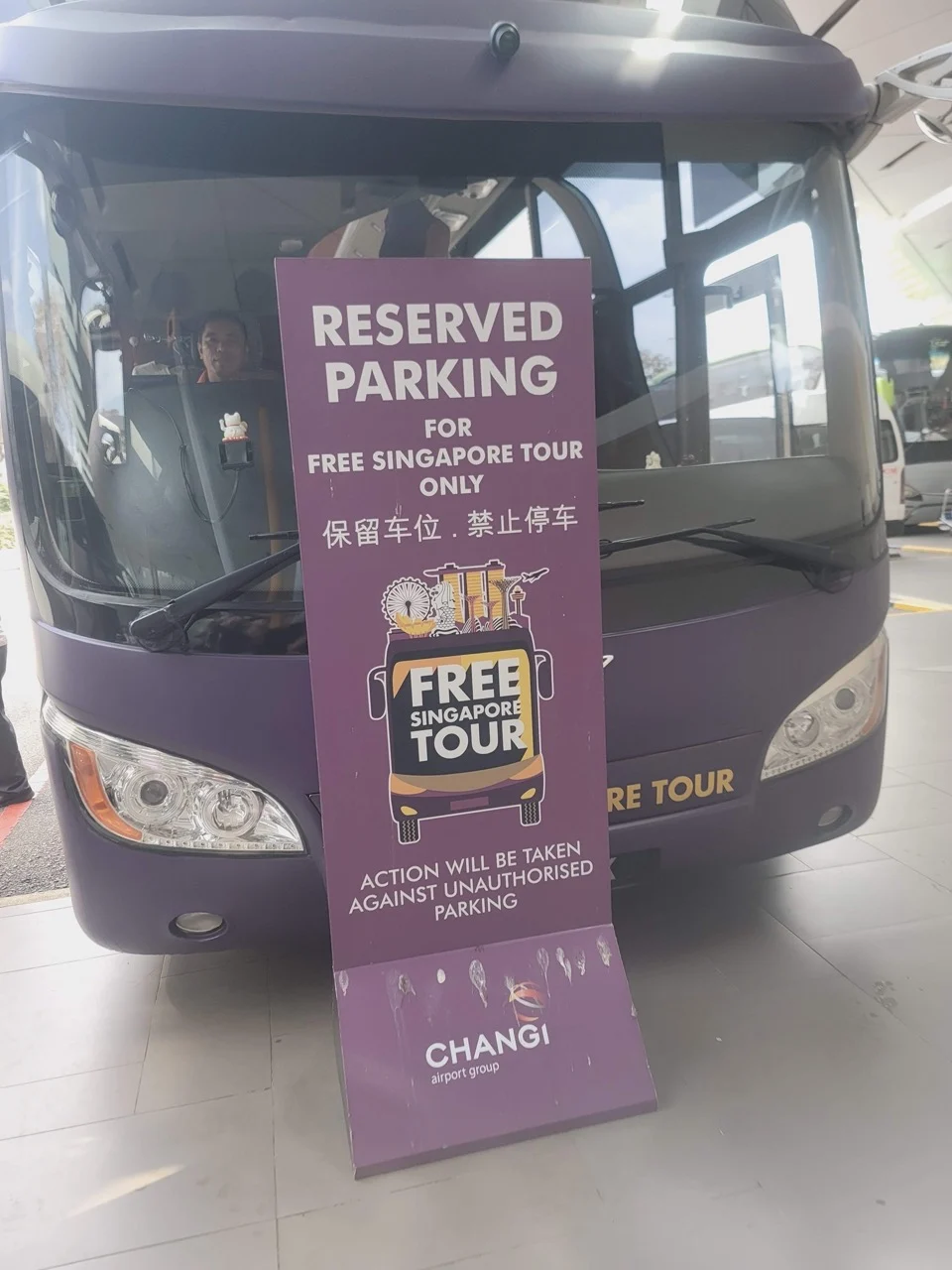
I caught a 9:05 AM Scoot flight arriving in Singapore at 12:10 PM. Since there are no direct flights from HCMC to Jeju, I used this as a chance to enjoy a day in Singapore! After clearing immigration, I stored my luggage at the airport (16 SGD for 2 bags) and took advantage of the Changi Free Transit Tour.
Day 1: Arrival, Lotte Mart, Soy-Marinated Crab & Dongmun Market
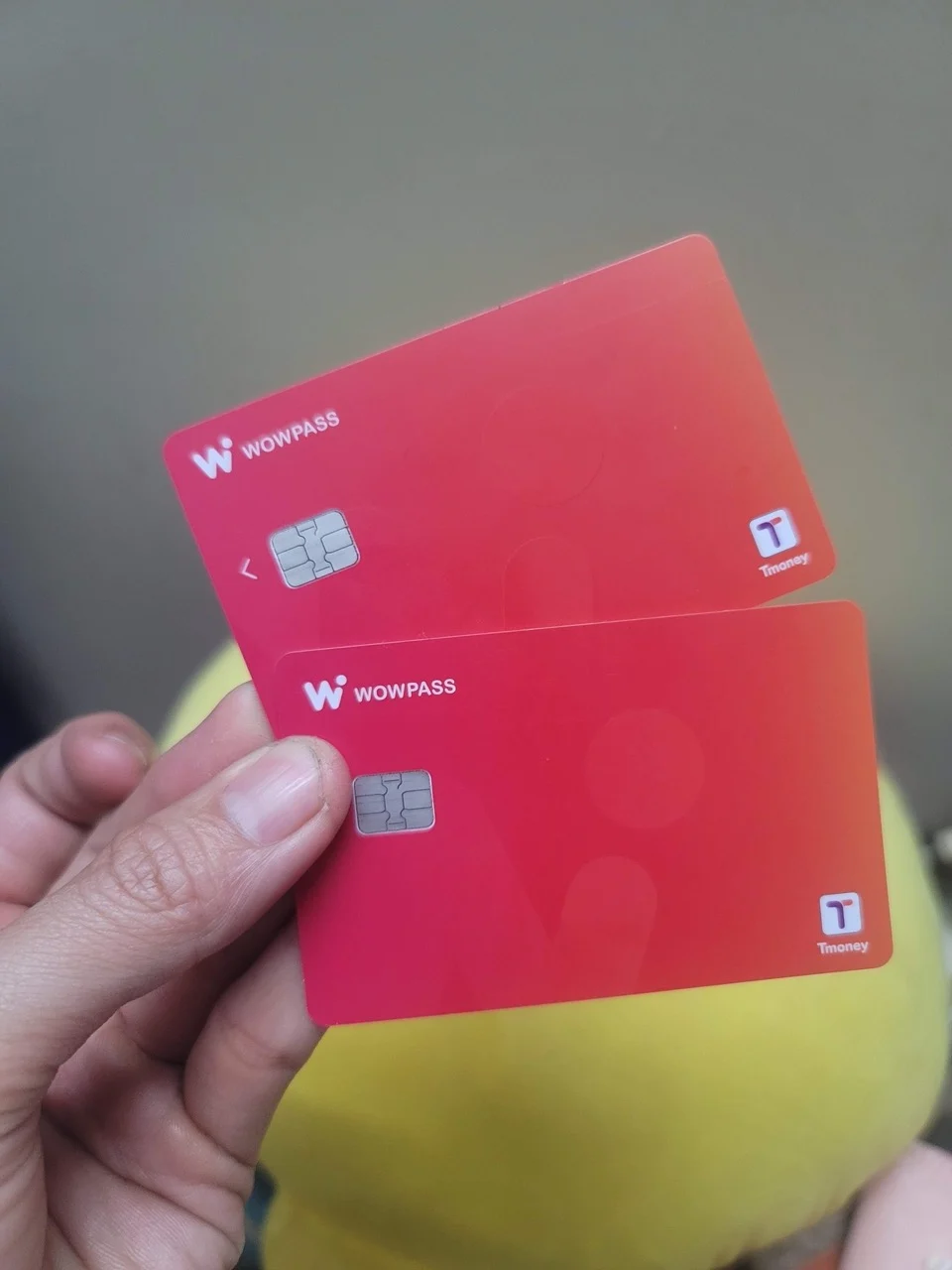
Arriving in Jeju at 7:05 AM, the immigration process was smooth. The officers asked a few simple questions (purpose of visit, hotel proof, return ticket to Shanghai), and within 30 minutes, I had my Jeju stamp! I grabbed a Wowpass card at the CU convenience store inside the airport for easy bus travel and payments.
It was 6°C, so after bundling up, I took an Uber to RAUM Hotel. Since check-in wasn't until 2:00 PM, we explored the Sinjeju area, grabbed lunch (soy-marinated crab—so good!), and hit up Lotte Mart. The Korean strawberries here are a must-try; pricey, but totally worth it for the sweetness.
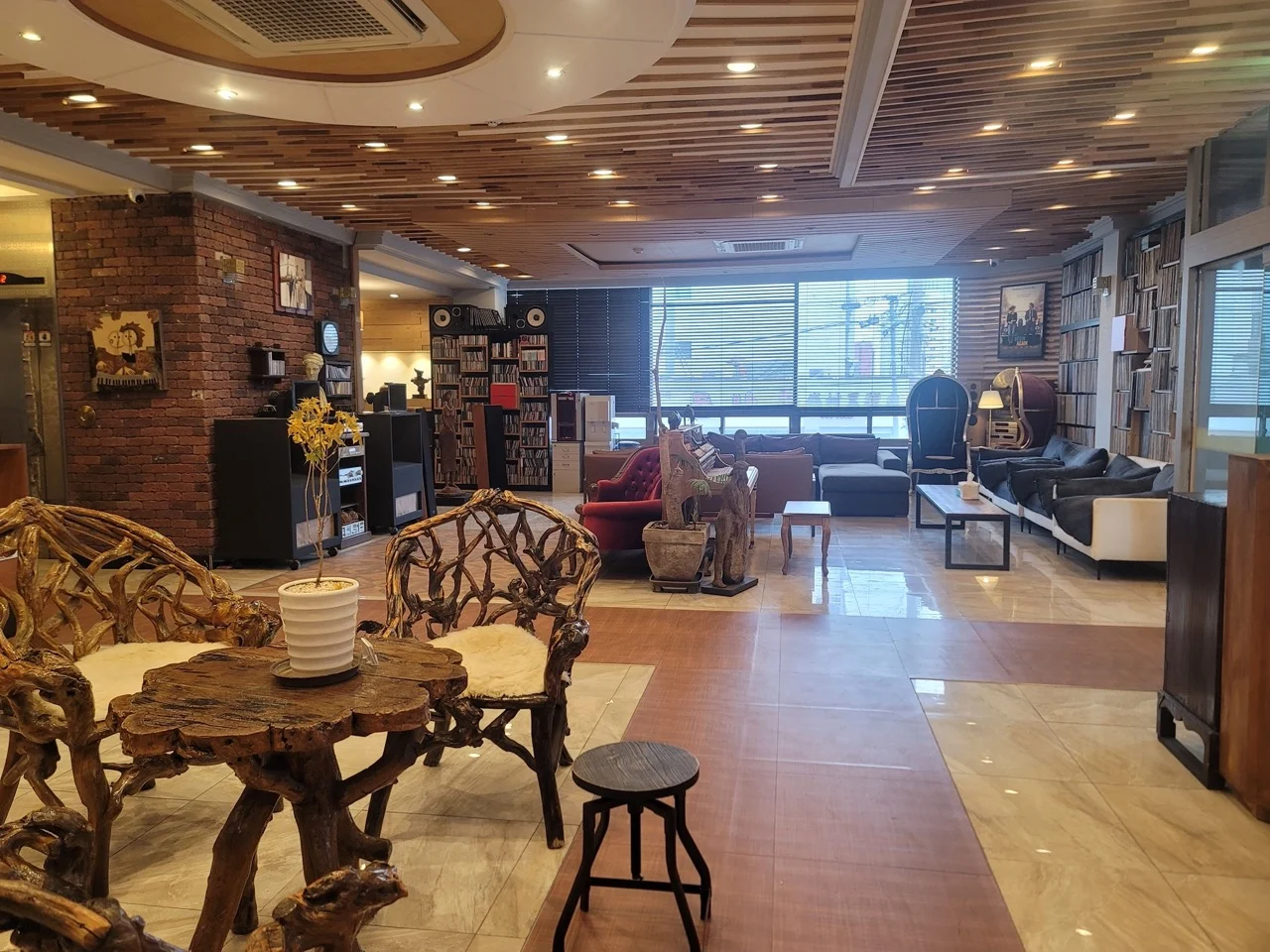
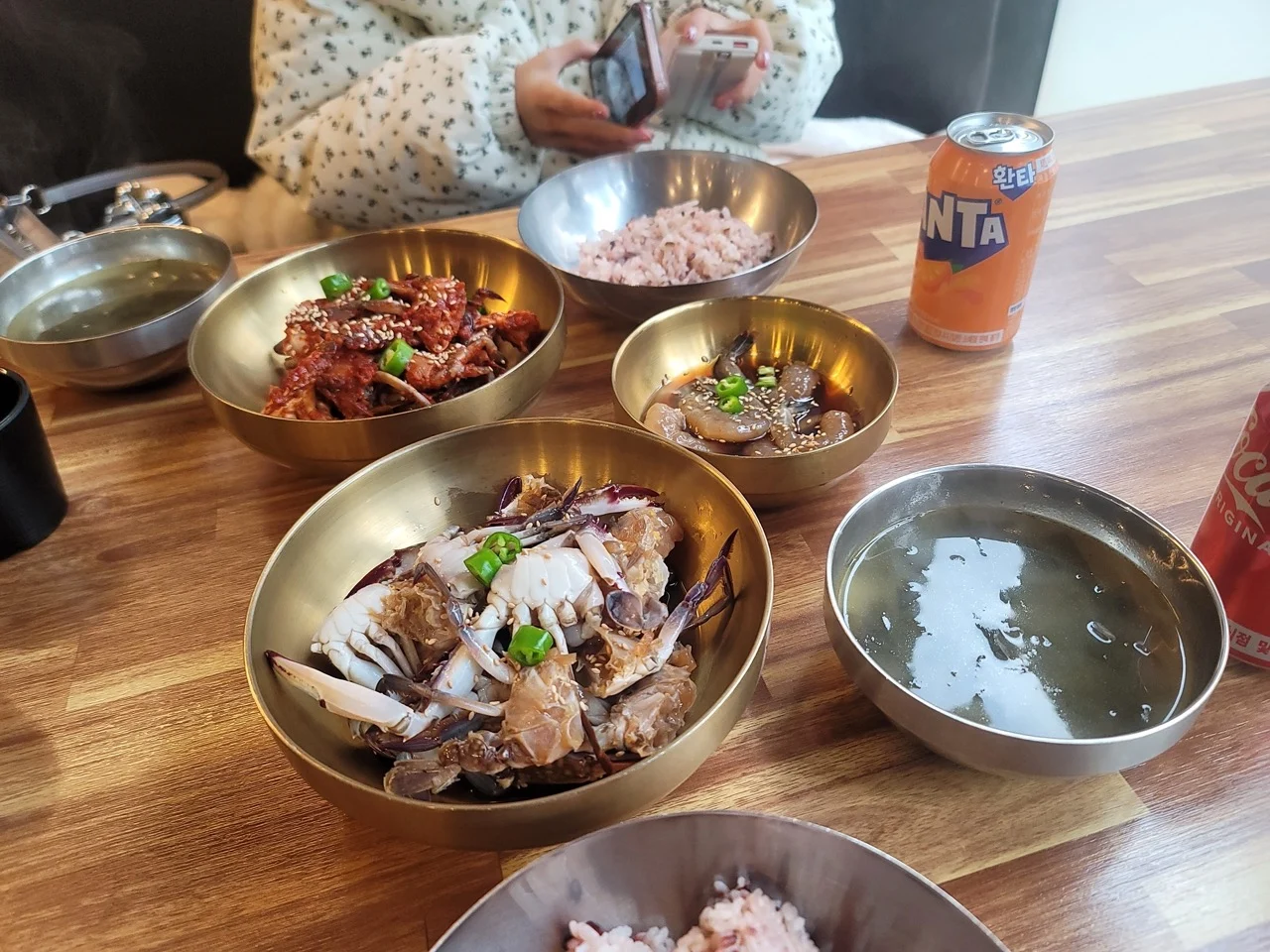
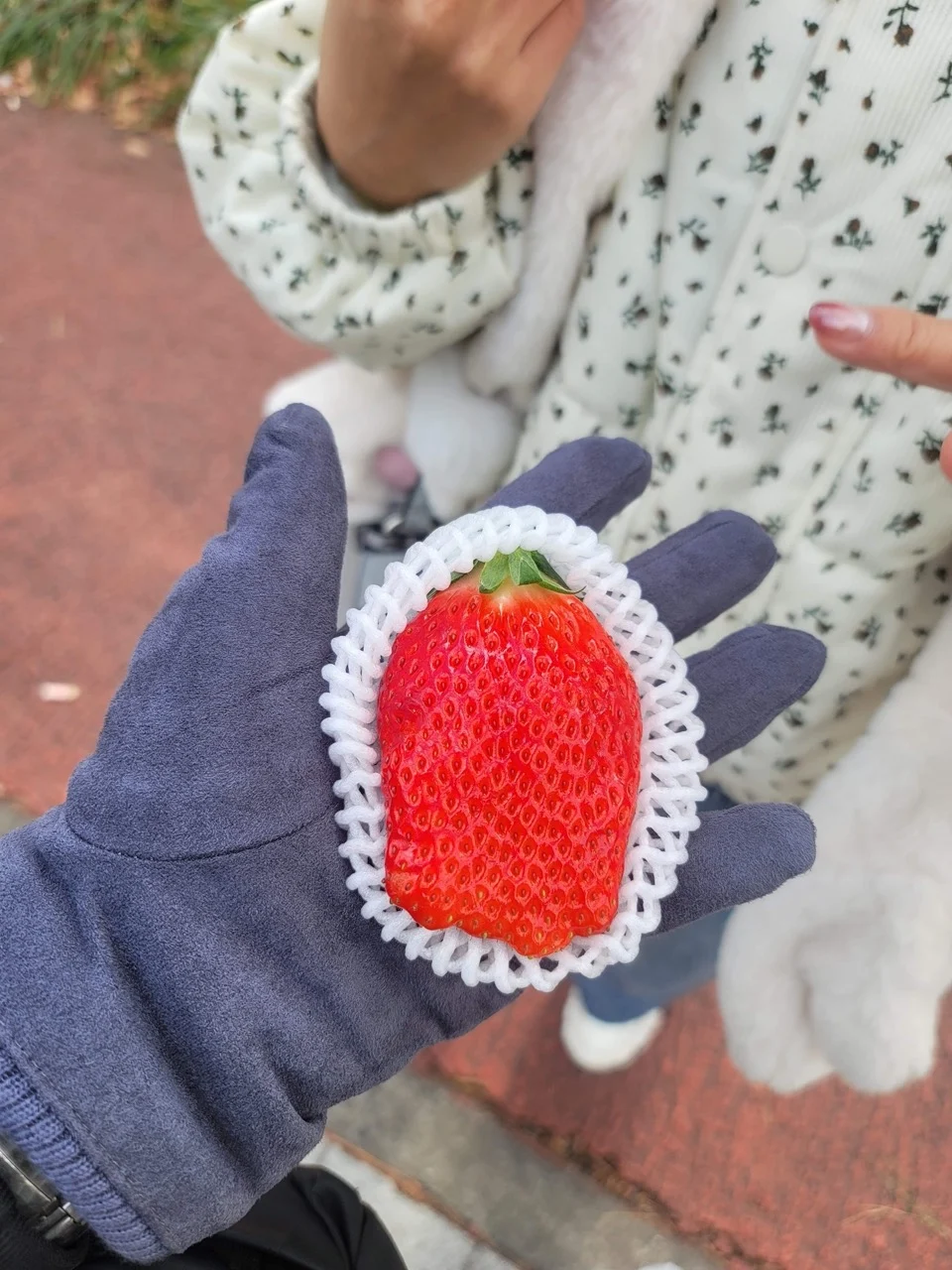
In the evening, we took a bus to Dongmun Market. It’s an iconic spot for street food—try the grilled octopus and tteokbokki. We finished off the night checking out the Jungang Underground shopping area, which was a good place to hide from the freezing wind.
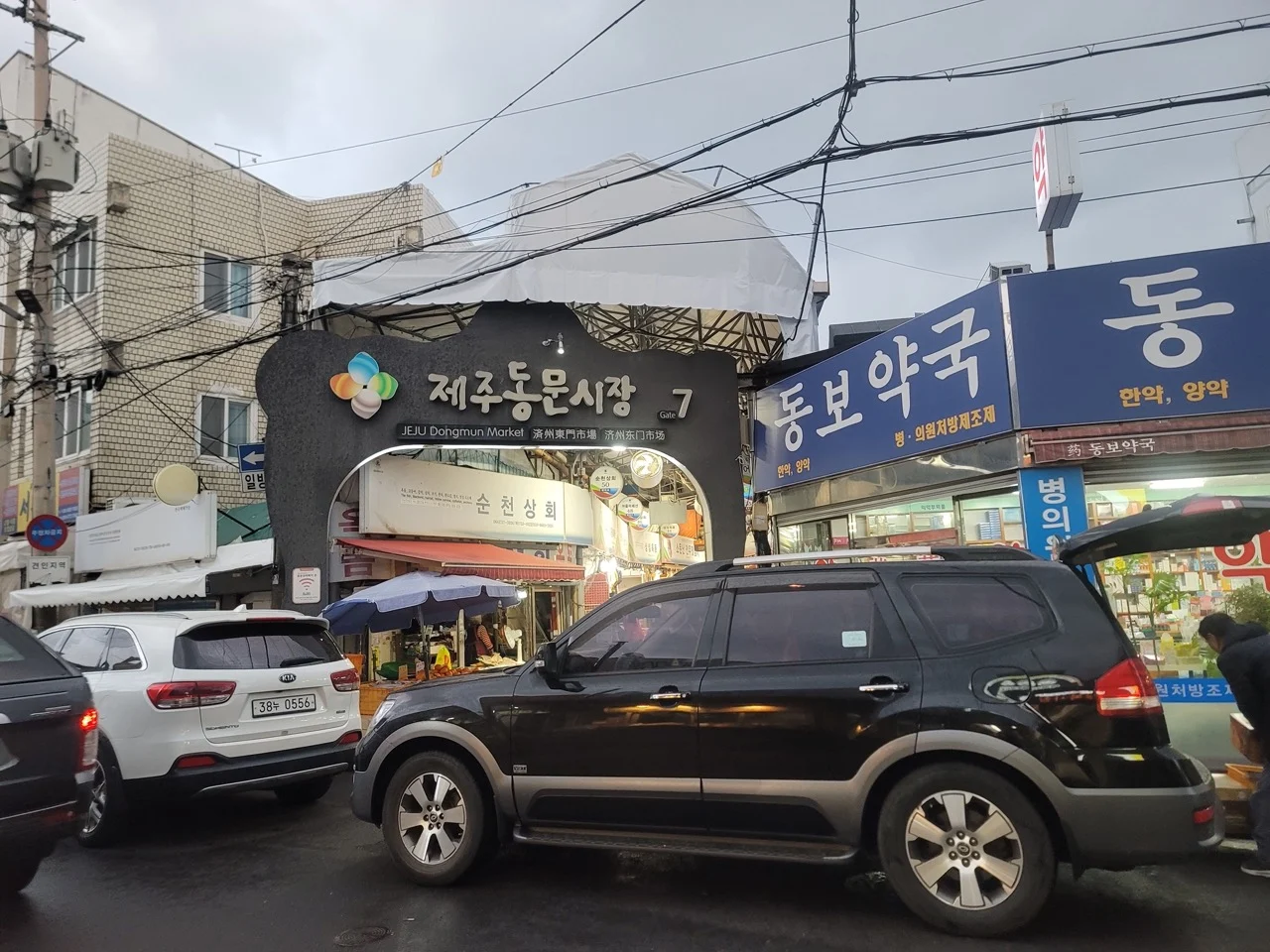
Day 2: Mount Hallasan & Snow Hunting
We woke up early to head to Mount Hallasan. Note: during winter, check the official Jeju police website for road closures. We took the bus to the Eorimok trail. Seeing the mountain covered in snow was magical!
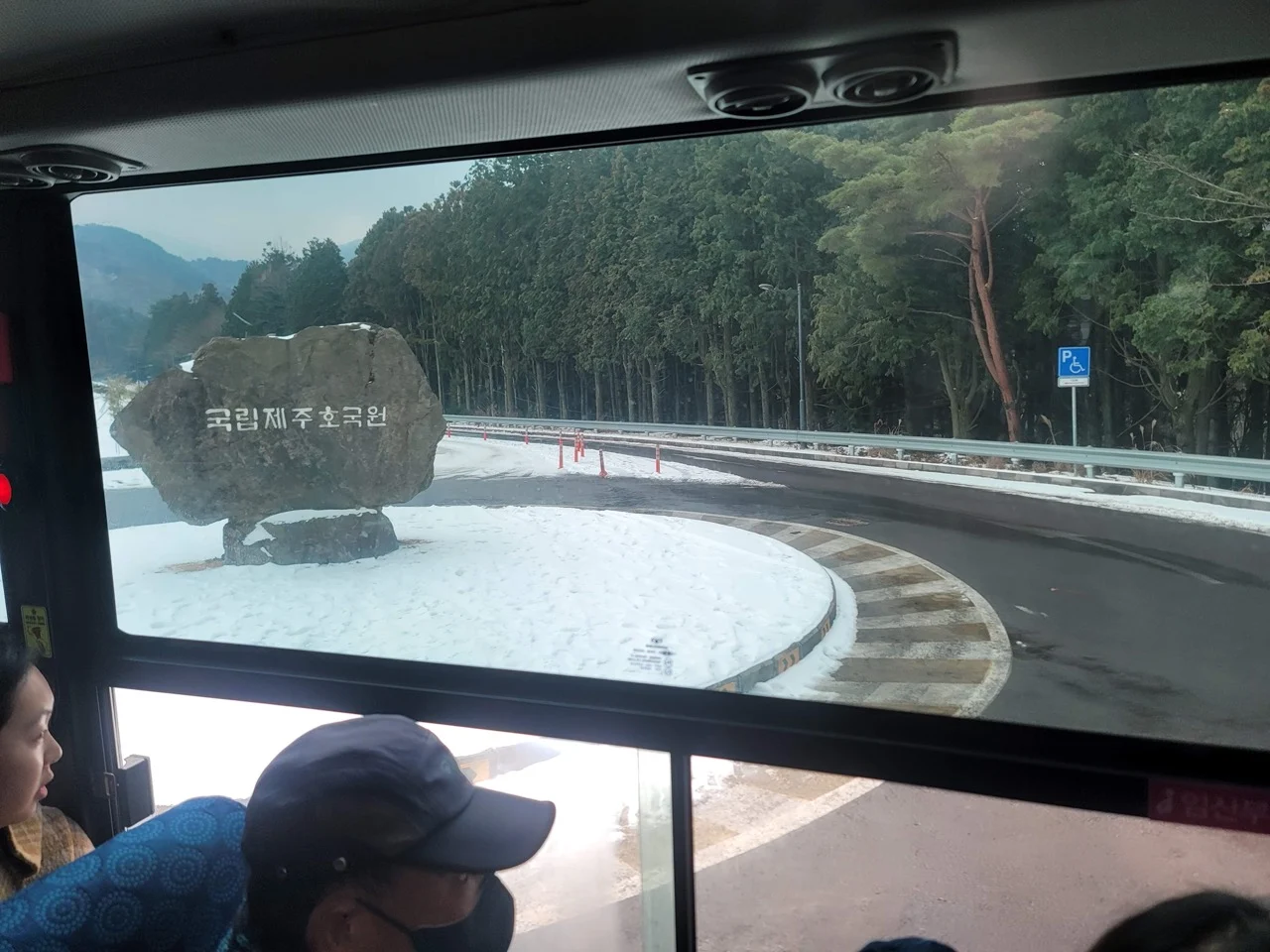
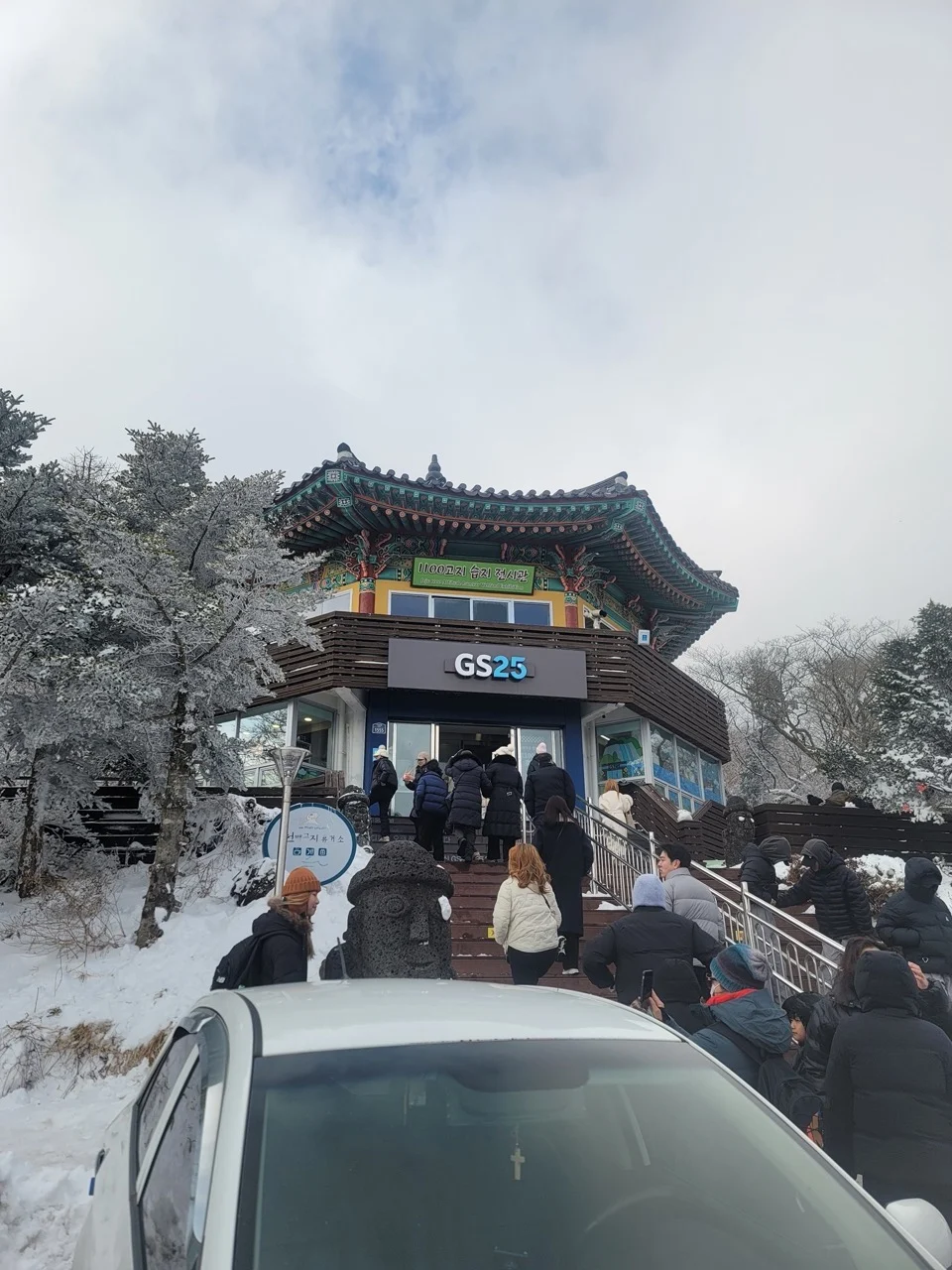
We didn't hike the full professional trails (which require advanced registration), but exploring the area around the Eorimok entrance and then heading up to the GS25 convenience store at the 1100-meter mark was perfect for us. We had fish cakes, hot snacks, and enjoyed the snowy views from the second-floor viewing deck.
Back in town, we explored the Nuwemaru Street area for souvenirs and street food, which was a nice way to wrap up the Jeju leg of our journey.
Day 3: Shanghai Transit Tour
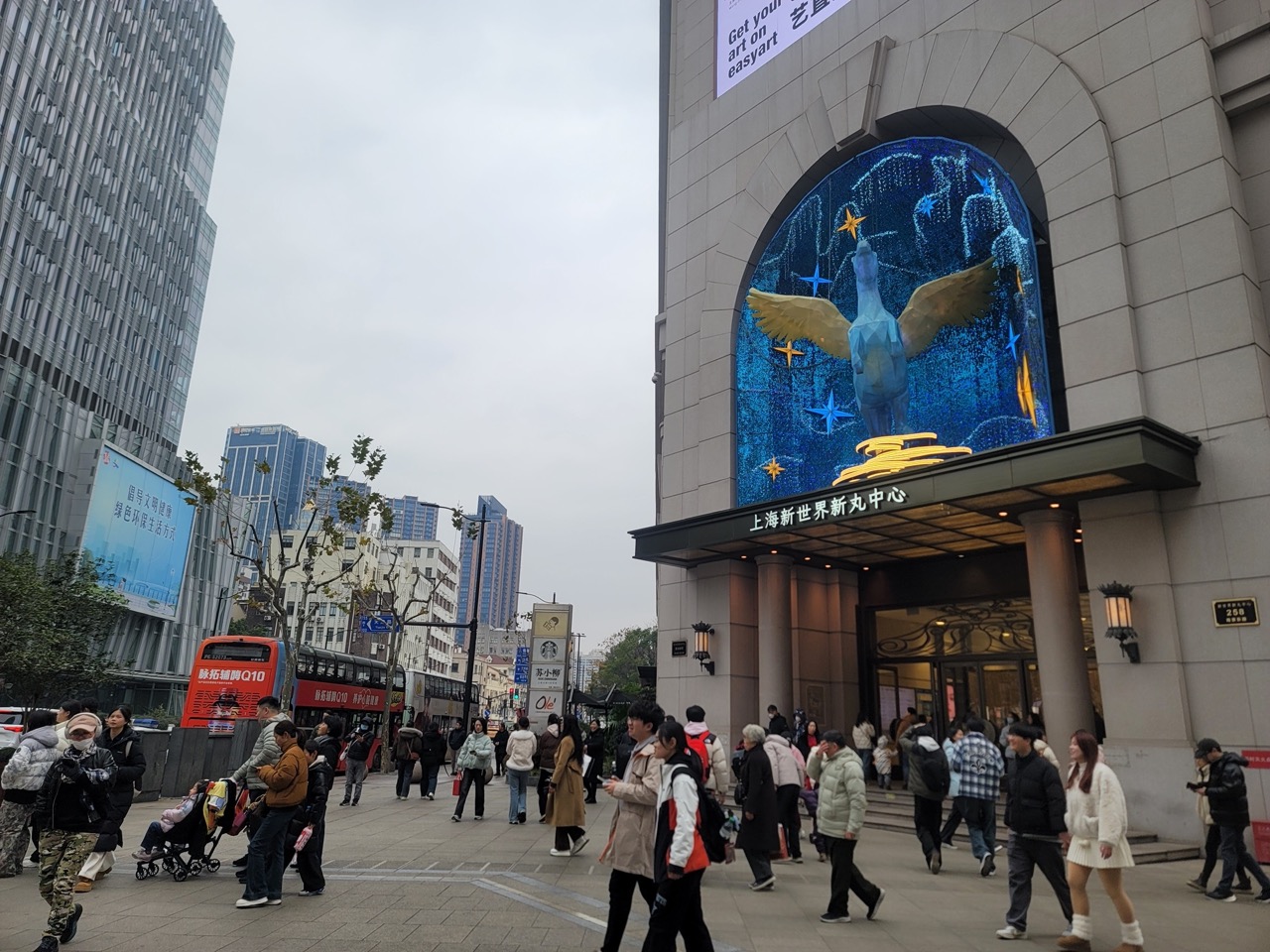
Our journey home involved a stop in Shanghai. Thanks to the 24-hour Transit Visa, we were able to leave the airport and join a free Shanghai tour. We visited the famous Wukang Building and the Bund before catching our flight back to HCMC.
Total Trip Cost (2 People)
- Flights: ~17 million VND (Round-trip)
- Hotel: 1.5 million VND (2 nights)
- Transportation: ~38,000 KRW (Uber + bus)
- Food: ~60,000 KRW (estimated)
- E-SIMs: ~700k VND
- Grand Total: ~20.1 million VND (Approx. 10 million VND/person).
All in all, for a 4D3N trip covering two countries, this was an unforgettable experience. Jeju in the winter is truly something else!
Reference: https://blog.dulichdau.com/review-du-lich-jeju-mua-dong-san-tuyet-mien-visa/
